
Signs You Need to See a Urologist for Prostate Problems
Prostate problems tend to develop gradually, which means many men adapt to worsening symptoms over months or years without realizing how much their quality of life has been affected. Knowing which symptoms warrant a visit to a urologist in Vadodara, and understanding that these symptoms are common and treatable, often prompts men to seek care much earlier than they otherwise would.
Early Warning Signs
A weaker urine stream than what you remember having a few years ago is often the earliest and most overlooked sign of prostate enlargement, since the change happens so gradually that it is easy to dismiss as normal aging. Alongside a weaker stream, needing to urinate more frequently, particularly at night, is one of the most common early indicators that the prostate has begun pressing against the urethra.
- Weaker or slower urine stream than before
- Needing to urinate more often, especially during the night
- A feeling that the bladder has not fully emptied after urinating
- Slight delay or straining before urination begins
- Dribbling after finishing urination
Symptoms That Signal It Is Time to See a Urologist
While mild changes can sometimes be monitored, certain symptoms should prompt a consultation sooner rather than later.
- Symptoms that are noticeably interfering with sleep or daily activities
- Blood in urine, which always warrants evaluation regardless of severity
- Sudden inability to urinate, which is a medical emergency
- Recurrent urinary tract infections
- Unexplained weight loss alongside urinary symptoms, which needs prompt evaluation
Why Men Often Delay Seeing a Doctor
Prostate symptoms develop slowly enough that many men unconsciously adjust their daily habits around them, planning bathroom breaks around long drives or waking up several times a night without questioning why. There is also frequently a reluctance to discuss urinary or reproductive health openly, which further delays evaluation. The reality is that prostate enlargement is extremely common after age fifty and is a routine, treatable condition rather than something to feel hesitant about discussing.
What Happens During a Prostate Evaluation
A prostate evaluation typically involves a discussion of symptoms, a PSA blood test, and in many cases an ultrasound to assess prostate size accurately. Based on these results, a urologist can determine whether symptoms are due to benign prostate enlargement or whether further evaluation is needed to rule out other conditions. This entire process is usually completed within a single visit or two, offering clarity far faster than most men expect.
Treatment Does Not Always Mean Surgery
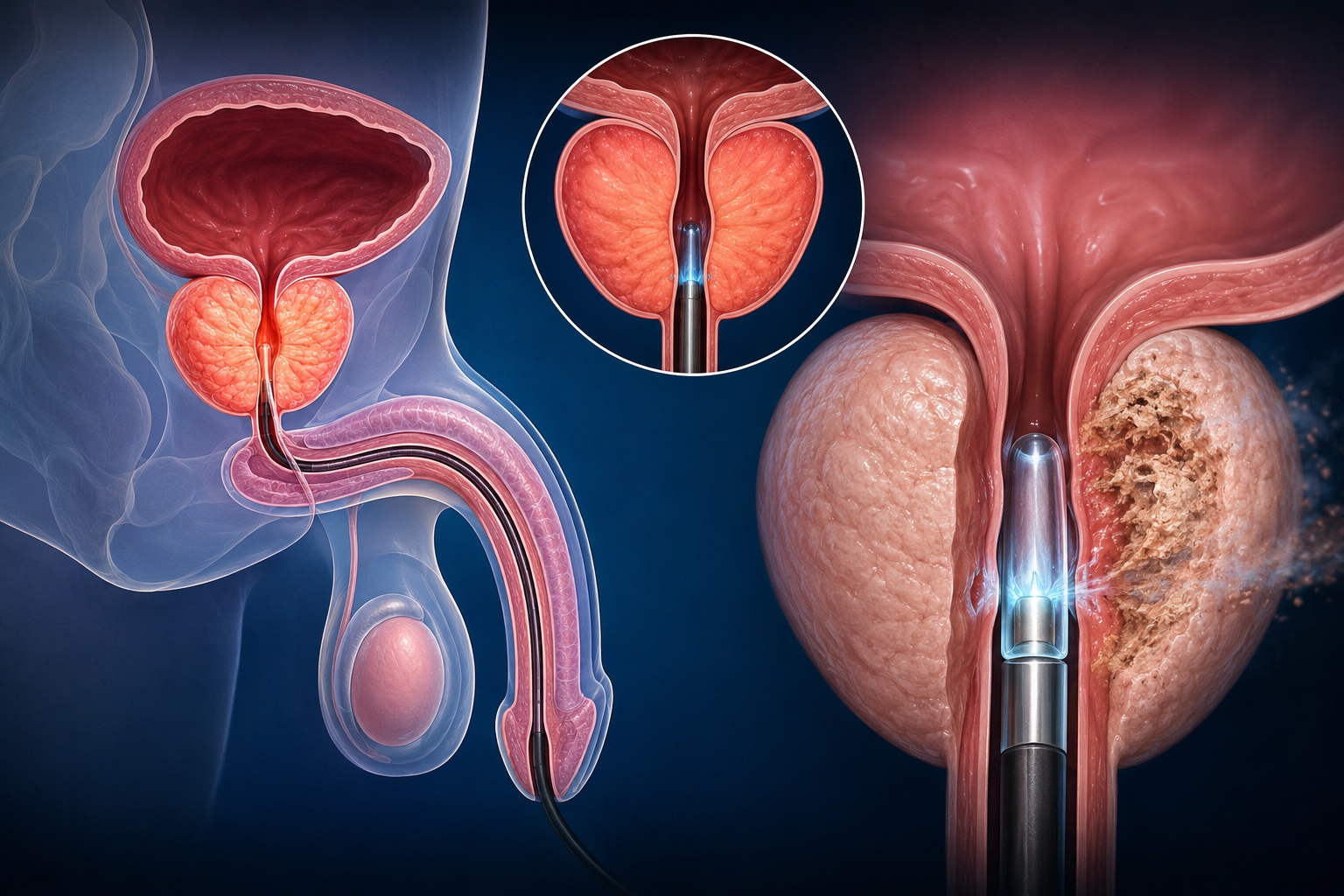
Many men avoid seeing a urologist out of concern that any prostate issue automatically leads to surgery. In reality, mild to moderate symptoms are frequently managed effectively with medication alone. Dr. Ravi Upadhyay follows a conservative treatment philosophy, recommending surgical options such as laser prostate surgery only when medication is insufficient or symptoms are significantly affecting quality of life.